• Hei

    Vi i Foreningen Flyprat ønsker takke de av dere som har valgt å være medlem av foreningen gjennom det siste året, og dermed støttet driften av Flyprats forum og Airpics med 150kr.

    Vi håper å kunne ha deg videre med til neste år og at du fortsatt vil være medlem nå som nytt medlemsår begynte 1. oktober 2025

    Merk at etter årsmøtevedtaket er medlemsavgiften fra og med i år 150kr

    Betalingen kan enten gjøres via Vipps: 150kr til #18641 eller via Letsreg på linken under:

    https://www.letsreg.com/no/event/medlemskontingent_2026_01102025

    (Husk og oppgi brukernavn så betalingen kan linkes til brukeres)

    De av dere som alt har betalt i oktober er selvsagt registrert i det nye medlemsåret

    Med vennlig hilsen - Styret i Foreningen Flyprat

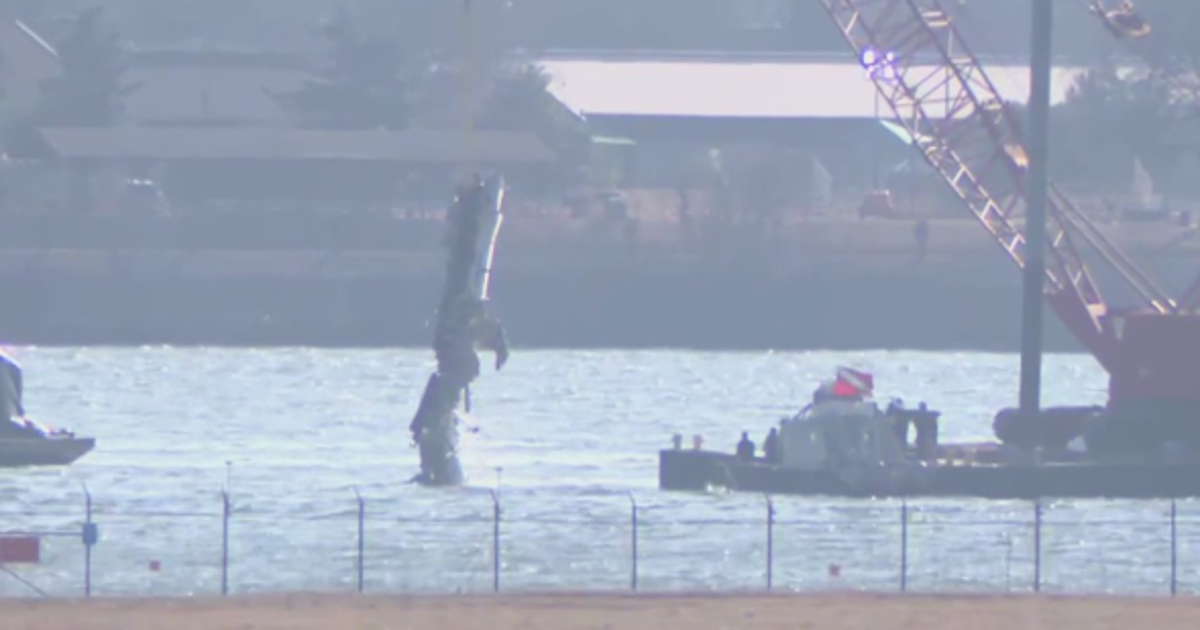
Alert PSA/AA CRJ7 og US Army Black Hawk i Midair-krasj ved landing i Washington DCA 29JAN25

Det er stor forskjell på tidsbruk på "immediate take-offs" her på berget i alle fall.
"Immediate" betyr egentlig at man ikke skal stoppe helt opp på RWY, men man kan jo taxe ut på RWY i 2 kts eller 25 kts..
According ICAO Standards and Recommended Practices (SARPS), in the interest of expediting traffic, a clearance for immediate take-off may be issued to an aircraft before it enters the runway. On acceptance of such clearance the aircraft shall taxi out to the runway and take off in one continuous movement.

Min erfaring er at hvis pilotene sier "we're ready for immediate" før jeg rekker å spørre, så går det ofte mye fortere enn hvis jeg spør først "are you ready for immediate?" ;)

Uansett så tror jeg alle forstår at hvis man bruker "immediate", så er det jo fordi tilgjengelig atskillelse er i ferd med å skrumpe inn...
 
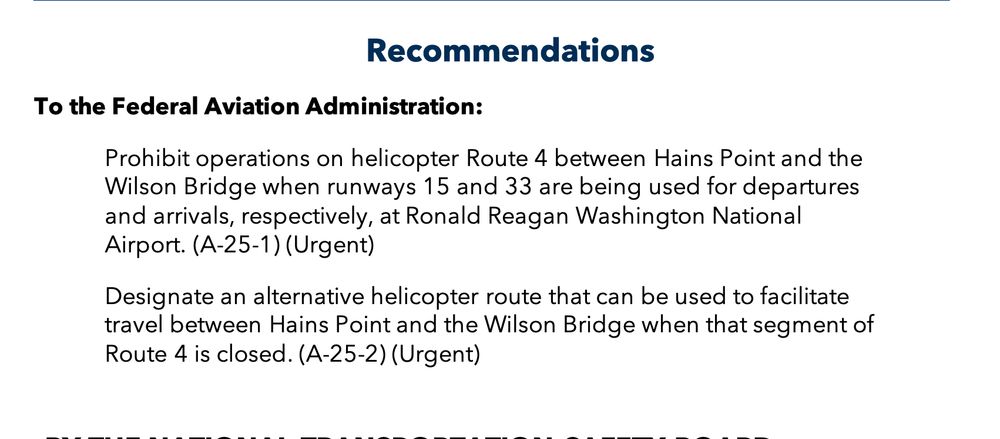
NTSB anbefaler FAA i å legge begrensninger på hvor helikoptertrafikk er tillett nå rullebanene 15 og 33 er i bruk.

https://bsky.app/profile/willguisbond.com/post/3lk4ntvxx5c2o

NEWS: NTSB issues two urgent safety recommendations to the FAA as a part of its prelim DCA midair report:

bafkreicelfhk6cinbrdoqbqo42n37biu3uziuilcd4utmwsd42w24xp5f4@jpeg
 
Det burde vel blitt gjort for lenge siden, men "det gikk jo bra frem til nå". Det virker i grunnen lettere utrolig at de har akseptert så lite separasjon så lenge...
 
Nå kommer jeg med det som kanskje er et helt idiotisk spørsmål, men er det umulig for den ansvarlige piloten å overstyre "eleven" og svinge unna i en sånn situasjon?
 
Rapport lansert med skyld på flygeleder.


Hvor leser du det? Selv om både flygeleder og piloter har medansvar for hendelsen gis vel hovedsaklig FAA skylden for hendelsen, med tanke på at de legger en VFR-rute under short final til den ene rullebanen.

"Ultimately, the NTSB found that the crash was caused by the Federal Aviation Administration's (FAA) placement of a helicopter route so close to the runway approach at DCA, combined with heavy airport traffic and inadequate safety systems and training."

"The NTSB said that air traffic controllers were overreliant on judging aircraft separation by eye. "

Den siste setningen stusser jeg på, da amerikanske flygeledere overlater adskillelsesansvaret til pilotene...
 
On Feb 18th 2026 the NTSB released their final report concluding the probable causes of the accident were:

The Federal Aviation Administration’s (FAA) placement of a helicopter route in close proximity to a runway approach path; their failure to regularly review and evaluate helicopter routes and available data, and their failure to act on recommendations to mitigate the risk of a midair collision near Ronald Reagan Washington National Airport (DCA); as well as the air traffic system’s overreliance on visual separation in order to promote efficient traffic flow without consideration for the limitations of the see-and-avoid concept. Also causal was the lack of effective pilot-applied visual separation by the helicopter crew, which resulted in a midair collision. Additional causal factors were the tower team’s loss of situation awareness and degraded performance due to the high workload of the combined helicopter and local control positions and the absence of a risk assessment process to identify and mitigate realtime operational risk factors, which resulted in misprioritization of duties, inadequate traffic advisories, and the lack of safety alerts to both flight crews. Also causal was the Army’s failure to ensure pilots were aware of the effects of error tolerances on barometric altimeters in their helicopters, which resulted in the crew flying above the maximum published helicopter route altitude.

Contributing factors include:

- the limitations of the traffic awareness and collision alerting systems on both aircraft, which precluded effective alerting of the impending collision to the flight crews;

- an unsustainable airport arrival rate, increasing traffic volume with a changing fleet mix, and airline scheduling practices at DCA, which regularly strained the DCA air traffic control tower workforce and degraded safety over time;

- the Army’s lack of a fully implemented safety management system, which should have identified and addressed hazards associated with altitude exceedances on the Washington, DC, helicopter routes;

- the FAA’s failure across multiple organizations to implement previous NTSB recommendations, including Automatic Dependent Surveillance–Broadcast In, and to follow and fully integrate its established safety management system, which should have led to several organizational and operational changes based on previously identified risks that were known to management; and

- the absence of effective data sharing and analysis among the FAA, aircraft operators, and other relevant organizations.
 
Back
Top